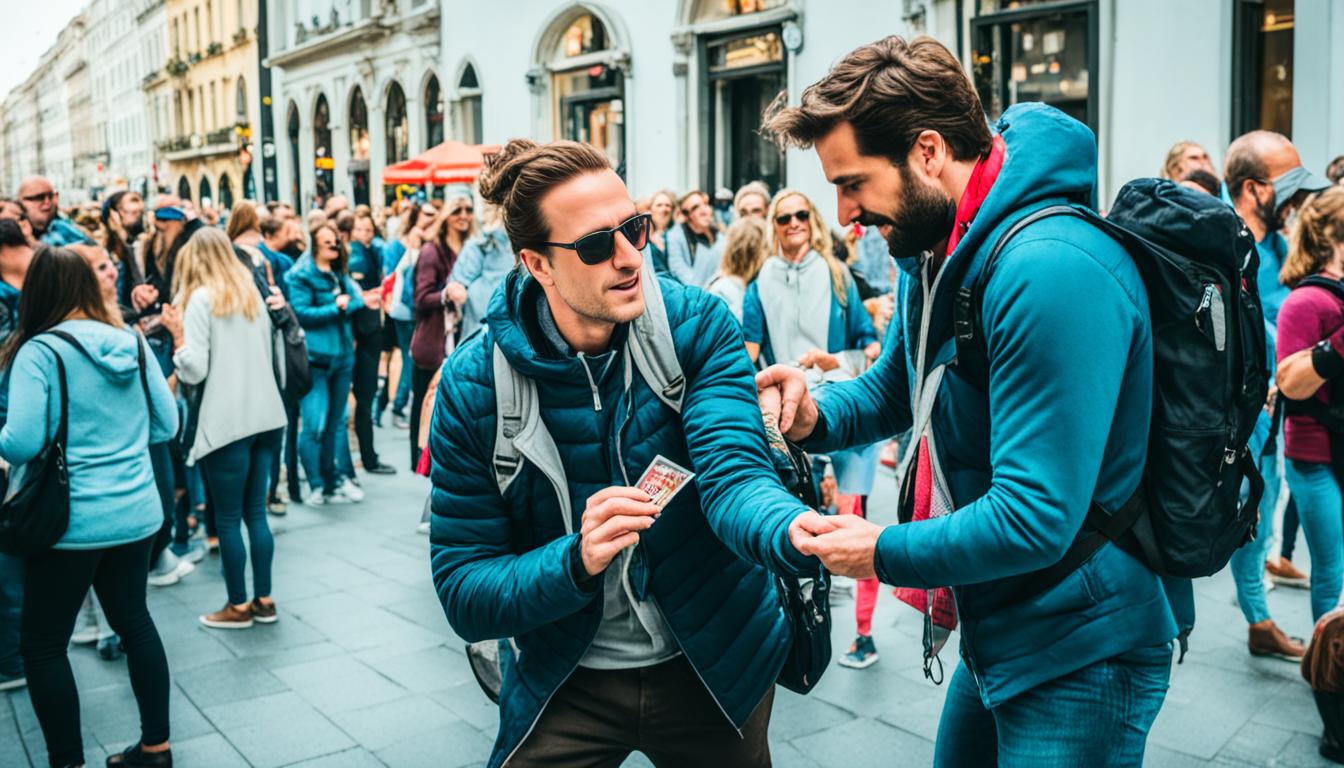
Traveling the world is exciting and enriching, but it has risks. One big challenge is scams. These can be overpriced tours or stealing your personal info, leaving you in trouble.
But, you can stay safe with the right knowledge and care. This guide will teach you how to spot travel scams, keep your info safe, and make smart choices. It helps you enjoy your trip without worries.
It doesn’t matter if you’re going alone or with your family. Knowing the risks and how to avoid them lets you travel safely. You’ll feel more at ease exploring the world.
Recognizing the Signs of Travel Scams
When you travel, it’s important to stay alert. Scammers often use tricks to target people. Knowing the signs of travel scams can help you avoid getting scammed.
Unsolicited Offers and Aggressive Tactics
Watch out for unsolicited offers or aggressive sales pitches. If someone suddenly offers you a great deal, be cautious. These tactics are often a trap, making you pay more or get poor service.
Too Good to Be True Deals
Deals that seem too good to be true usually are. Be skeptical of prices that are much lower than usual. Scammers use this to lure you, then show you hidden fees or different products.
By spotting these signs, like unsolicited offers and too-good deals, you can protect yourself. Always trust your gut and research well before making travel plans.
Protecting Your Personal Information
When you travel, keeping your personal info safe is key. Identity theft and data breaches can happen, putting your money and privacy at risk. To stay safe, make sure to protect your travel documents, financial info, and personal details.
Start by protecting personal information while traveling. Don’t carry more documents than you need. Keep your passport, IDs, and credit cards close. Store digital copies of important papers in a secure cloud service. Think about getting RFID-blocking wallets or sleeves to protect your cards from thieves.
It’s also important to focus on travel data security. Be careful with public Wi-Fi, as it can be risky. Use a VPN to encrypt your internet and keep your online actions safe. Don’t share too much personal info on social media while away, as it can make you more vulnerable to travel identity theft prevention.
Always be careful with your travel documents like your passport and boarding passes. Keep them hidden and watch out for them in public. If you lose or have them stolen, tell the right people right away to help prevent identity theft or fraud.
By following these steps, you can travel with peace of mind. You’ll know your personal info and financial security are well-protected.
Travel Smart: Research Your Destination
It’s key to research your travel spot well to have a safe and fun trip. Learn about scams, risks, and safety tips to make smart choices. Use trusted travel guides and resources to learn about the place, including customs, laws, and top sights.
Trusted Travel Resources and Guides
Begin by looking at well-known travel websites, blogs, and guides. They offer the latest on safety, laws, and scams to watch for. Also, talk to other travelers and locals online to get real advice and tips. This way, you get a full picture of your destination and a smart travel plan.

Focus on learning about safety, scams, and what to do to stay safe when you research your destination. This helps you know what risks are out there and how to avoid them. Spending time to research well means you’ll have a safer and more fun trip.
Secure Your Travel Documents
Keeping your passport, visas, and other important travel papers safe is key to avoiding theft and protecting your identity. Before you start your trip, make sure to take steps to keep your documents safe. This will help you avoid scams and keep your journey smooth.
One great way to keep your secure travel documents safe is to make copies of them. Include your passport, visas, and IDs in these copies. Keep the copies in a safe spot at home or on a password-protected device. This way, if your passport gets lost or stolen, you can quickly report it and get a new one.
Also, think about getting a travel document safety product. This could be a passport holder or wallet made to protect passport from theft. These items often have RFID-blocking tech to keep your info safe and help prevent travel document theft.
When you’re out and about, always be aware of your surroundings. Keep your secure travel documents with you. Don’t leave them out in the open in public. Using a cross-body bag or a money belt can help keep them hidden and safe. These easy steps can really lower your chances of falling victim to scams or identity theft.
Be Wary of Public WiFi and ATMs
When you’re traveling, be careful with public WiFi and ATMs. They can be easy targets for hackers and scammers. This can put your personal info and money at risk.
Using Virtual Private Networks (VPNs)
Use a virtual private network (VPN) to stay safe on public WiFi. A VPN encrypts your online actions. This makes it tough for hackers to get your data. Your internet goes through a secure server, keeping your info safe.
Also, be careful with public ATMs. They might have skimming devices that steal your card and PIN. Try to use ATMs inside safe, trusted banks to avoid scams.
Using a VPN and being careful with public WiFi or ATMs can lower your risk of cybercrime while traveling.
Travel with Trusted Companies and Guides
When planning your travels, it’s key to book with reputable travel providers. This helps you avoid scams from shady operators. Look for companies with a good history of quality service.
Using licensed local guides can make your trip better. They know the culture and customs of your destination well. They can guide you safely and help you avoid tourist traps.

Choosing trusted travel providers and local guides lowers the chance of scams. It makes your journey safer and more rewarding. This way, you can enjoy your trip and make memories without worrying about scams.
Stay Vigilant and Trust Your Instincts
When you travel, always be alert and trust your gut feelings. If something seems wrong or suspicious, listen to your instincts. This can help you dodge common scams aimed at tourists.
Common Travel Scams to Watch Out For
One scam is overpriced souvenirs or trinkets. Vendors might push you to buy “authentic” items at high prices. Trust your gut and skip places where prices are too high.
Another scam is taxi drivers who take longer routes or increase the fare. Always set the price before you start and use trusted ride-sharing or taxi services for fair prices.
Fake tour guides are also a scam to watch for. They might promise special experiences but lead you to expensive shops or attractions. If a tour sounds too good, it’s best to avoid it. Choose licensed tour operators instead.
By being alert and trusting your instincts, you can travel safely and avoid scams. Being informed and cautious makes your trip enjoyable and secure.
Handling a Travel Scam Situation
If you’re scammed while traveling, don’t freak out. There are steps to report the scam and try to get back your money or info. Knowing how to act can lessen the scam’s effects.
First, call your bank or credit card company right away to report the scam. Ask for a new card to stop more unauthorized charges. Also, tell the local police and consumer protection groups or travel organizations about the scam.
Then, collect any proof you have, like receipts or emails with the scammers. This proof is key for authorities to investigate and maybe get back your money. If you lost important documents, report it to the right agencies to start replacing them.
Getting your money back can be hard, but stay alert and active. Keep in touch with your bank, credit card company, and police to help them help you. Also, talk to your travel insurance company to see if they can cover any losses from the scam.
By acting fast and doing the right things, you can lessen the effects of being scammed while traveling. Reporting the scam and getting help can also protect others from the same scam.
The Importance of Travel Insurance
Traveling can be thrilling and rewarding, but it also has risks. That’s where travel insurance comes in, offering protection against many possible problems. It adds a safety layer against financial losses and issues from scams or unexpected events during your trip.
Travel insurance is great for covering medical emergencies. If you get sick or hurt while traveling, it can pay for medical care, hospital stays, and even emergency flights back home. This is very important in places with high medical costs or limited care options.
It also protects you from travel problems like trip cancellations, delays, or lost items. If your flight is late or your bag disappears, your insurance can cover these costs. This is very useful against travel scams that can leave travelers with big bills.
With travel insurance, you can relax knowing you’re protected. It doesn’t matter if you’re traveling alone or with family. Good coverage means you can face travel challenges with more confidence and security.
Travel Tips for Solo Adventurers
Going solo on an adventure can be thrilling and freeing. But, you must be careful to stay safe. To avoid scams, follow these key tips for a worry-free trip.
Safety Precautions for Solo Travelers
Always be alert and aware of your surroundings when traveling alone. Try not to walk alone at night and stay away from quiet places. Keep your valuables hidden and secure to prevent theft.
It’s also vital to learn about your destination before you go. Knowing the local customs and culture helps you fit in and stay safe. It also guides you in choosing where to stay, what to eat, and how to move around safely.