
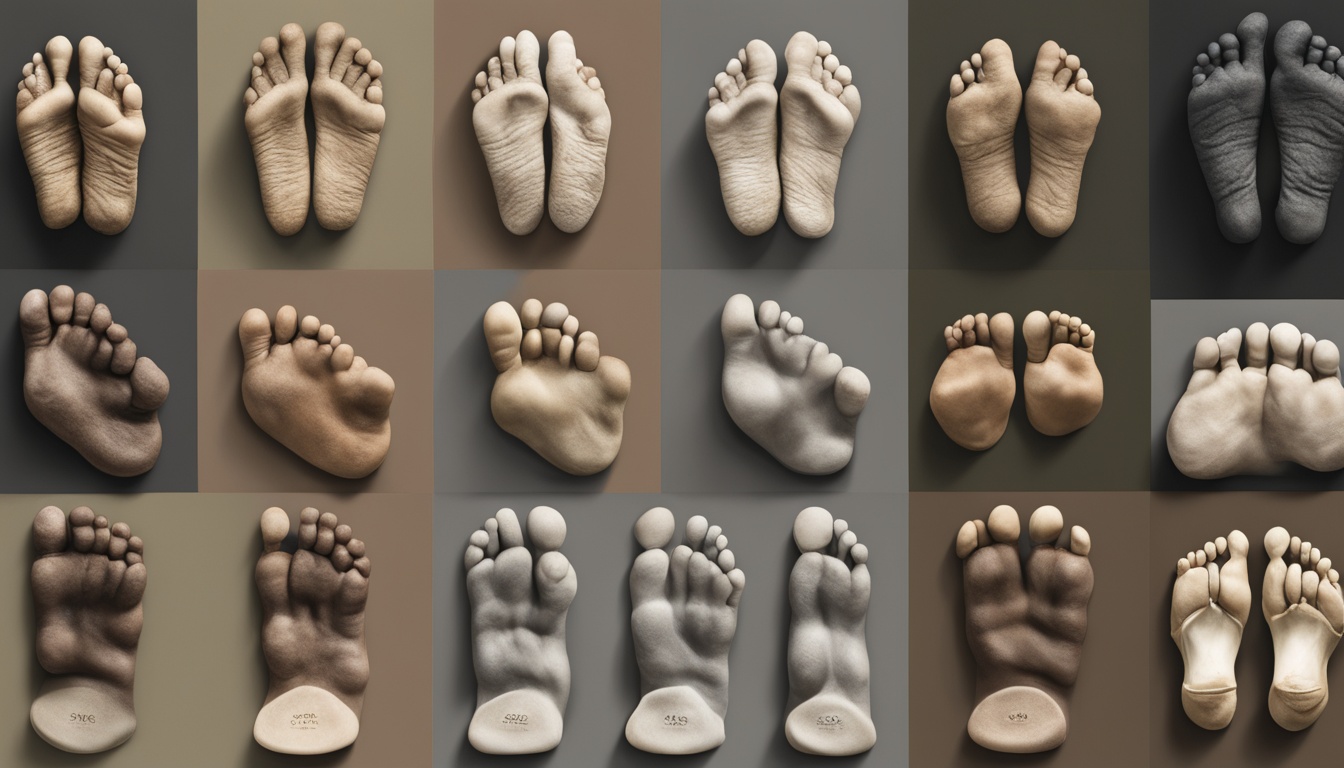
Get ready for a thrilling journey through human evolution! From our early days as ancient hominids to today’s modern humans, our story is full of interesting facts and surprises. We’ll share 10 fun facts that highlight the amazing story of our evolution.
These facts will take you from our first steps to our big brains. You’ll learn about the key moments in our evolution. Get ready to explore the journey that made us who we are today.
From walking on two legs to growing big brains, this journey is fascinating. We’ll reveal secrets and discoveries that explain how we came to be. Join us on this exciting adventure through our evolutionary history.
Exploring the Curious Quirks of Our Ancestral Journey
Step into the world of human evolution, where each discovery reveals more about our past. From our early days to becoming modern humans, our history is full of interesting quirks and mysteries.
From Humble Beginnings to Modern Marvels
Picture following our species’ path from the start to today. Our journey shows how our ancestors were resilient and adaptable. We’ll see how early hominids turned into Homo sapiens, marking key steps in our evolution.
Uncovering the Fascinating Mysteries of Our Evolutionary Past
Explore the world of anthropology, where new discoveries shed light on our past. Fossils and artifacts reveal the early days of our kind, answering long-standing questions. Get ready to uncover the secrets of our evolution.
The “Fun Facts” Behind Our Evolutionary Tale
Get ready for a journey into the world of human evolution fun facts. We’ll show you how we became the modern humans we are today. You’ll learn about quirky evolutionary tidbits and surprising anthropological revelations. Prepare to be amazed by the fascinating ancestral trivia that shaped our evolution.
Did you know our ancient ancestors were taller than us? Fossils show that early humans, like Homo erectus, were over six feet tall. Over time, we got shorter. This change was likely due to climate and lifestyle changes.
Our brains have also changed over time. Neanderthals had bigger brains than us, showing how our evolution is complex. The shrinkage of our brains might be linked to better energy use and more specialized thinking.
Let’s dive into more fascinating ancestral trivia. Did you know our ancestors could swim? Fossils indicate early humans had traits for aquatic life. This surprising anthropological revelation shows our ancestors were more versatile than we thought.
Tracing Our Roots: Revelations from the Genetic Trail
Scientists are now uncovering the secrets of our DNA, revealing a lot about our origins and evolution. Genetic research has changed how we see human ancestry. It shows us the paths our ancestors took around the world.
Unlocking the Secrets of Our DNA
Advanced DNA analysis helps researchers understand our evolutionary history. They look at genetic markers to see where people moved and mixed. This has changed what we thought we knew about our shared history.
These studies have been amazing. They’ve found evidence of ancient humans like Neanderthals and Denisovans. They’ve also shown where modern humans came from. This gives us a deep look into our species’ diversity and adaptability.

Genetic evidence tells us about where humans spread out and the big steps in our evolution. It shows how we became bipedal and our brains got bigger. These insights give us a full picture of our incredible journey to become modern humans.
Adapting to Survive: Extraordinary Evolutionary Innovations
Human beings have shown an amazing ability to adapt over time. Our ancestors came up with incredible ways to survive and thrive in different environments. They developed unique strategies and physical changes that helped our species succeed.
One key example is how we control our body temperature. As our ancestors moved to new places, they got better at sweating and making more melanin. This helped them handle extreme heat and cold. Thanks to these changes, we could live in many different parts of the world.
Our ancestors also came up with smart ways to survive. They made stone tools that changed how we interacted with the world. These tools helped with hunting, gathering, and preparing food. This made it easier for us to survive.
Studies have shown how our ancestors adapted to their environments. They found early human settlements and studied how they hunted and foraged. These findings have taught us a lot about our species’ adaptability. As we keep learning more about human evolution, we’re likely to discover even more amazing ways our ancestors survived.
The Missing Links: Bridging the Gaps in Human Origins
Despite a lot of evidence about our past, there are still gaps in understanding human origins. Anthropological discoveries are helping us find the missing pieces of our ancestry.
Piecing Together the Puzzle of Our Ancestry
Researchers are working hard to fill the gaps in our evolutionary story. They’ve found Homo naledi, a new human relative, and are studying ancient DNA. This makes the study of human evolution exciting and full of new discoveries.
The puzzle of our ancestors is not yet solved, but we’re getting closer with each new find. By looking at fossils and their genetic connections, scientists are slowly filling in the gaps.
Exploring our evolutionary past is crucial. These missing links help us understand how we changed over time. They give us clues about our adaptations, movements, and cultural changes that made us who we are today.
From Bipedalism to Big Brains: Major Milestones in Our Development
The story of human evolution is truly amazing. It’s filled with important steps that have made us who we are today. From learning to walk on two legs to growing bigger brains, these milestones have changed our species a lot.
One big step was becoming bipedal, or able to walk on two legs. This happened in our early ancestors millions of years ago. It gave them better energy use, helped them see more around them, and made them more visible. This was a key change that helped our species grow.

Then, our brains started to grow a lot. Over millions of years, our brains got bigger and better. This let us think more deeply, solve complex problems, and talk with each other. This was a huge change that made us who we are today.
These big changes, like walking on two legs and bigger brains, have been studied a lot. Scientists look at fossils, genes, and old human places to learn about our history. They’ve found out a lot about what made us the way we are.
The Spread of Humanity: A Remarkable Odyssey Across the Globe
The story of humans is not just about one place. It’s a journey that took us all over the world. Through studies, we’ve learned how our ancestors moved and changed over thousands of years.
Exploring the Migratory Paths of Our Ancestors
Our story began with early migrations from Africa and spread across the globe. The paths our ancestors took are shown through genes and old ruins. These paths took them to every corner of the planet, making us the diverse people we are today.
Anthropological studies let us see what our ancestors went through. They faced many challenges as they moved into new lands. Their journey shows how humans can survive and thrive in many different places.
Cultural Evolution: How Our Behaviors and Traditions Evolved
Our evolution has brought about both physical and cultural changes. The growth of human culture has shaped our species deeply. It’s the way our behaviors, beliefs, and traditions have changed over time.
Anthropological studies show how our cultural ways have changed and spread out. They tell us about the start of language, art, and complex social groups. Our cultural evolution has been complex and ever-changing.
As humans moved around the world, they faced new challenges. These led to new cultural ways to solve problems. Things like farming animals, making tools, and technology changed our lives and how we interact.
Looking into cultural evolution helps us understand our past and future. It shows us how our ways of living and traditions have changed. This knowledge helps us deal with today’s changes in society, technology, and the environment.
Future Frontiers: What’s Next in Human Evolutionary Studies?
The study of human evolution is always moving forward, bringing new discoveries and insights. Researchers use advanced tech and new methods to learn more about our history and what’s to come. They aim to change how we see the future of human evolution by tracing our ancestors’ paths and predicting changes.
Emerging anthropological research is now exploring new genetic findings and paleontology advances. This could lead to major scientific breakthroughs that change our view of evolutionary predictions. By studying how humans adapt to environmental and social changes, we can better understand the mix of biology, culture, and technology.
We’re at the start of a new era in human evolution studies. This new frontier promises to reveal our past, guide our present, and show us what the future might hold. It’s an exciting time that encourages us to keep exploring the amazing story of human evolution.