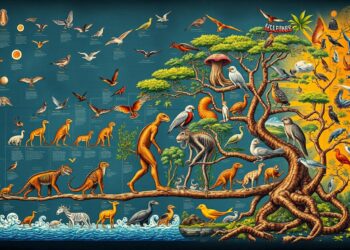

Genetics is key to understanding life and how traits are passed down. DNA, the basic unit of life, helps us grasp the vast diversity of living things. It has changed many fields, from health to technology, by revealing how genes shape us.
Genetic research focuses on DNA and genes, which carry information about us. By studying the human genome, scientists have learned a lot about our traits, health risks, and evolution. This knowledge leads to personalized medicine, offering treatments that match our genetic makeup for better results.
Genetics also impacts fields like biotechnology, agriculture, and forensic science. Genetic engineering helps solve big problems, like making crops more productive and finding new biofuels. In crime-solving, DNA analysis is vital for identifying people.
But genetic research brings up big ethical questions. We can now change genetic information, which makes us think about its right use. We must talk about genetic privacy and the right way to use genetic engineering. Scientists, policymakers, and the public need to work together to make sure genetics helps everyone safely and ethically.
Unveiling the Blueprint of Life
Genetics is all about studying DNA and genes, the key parts that shape who we are. DNA is a molecule that holds the instructions for making and working of all living things. Genes are the smallest units of heredity. They tell our bodies how to make proteins, which are vital for life.
The Human Genome Project was a huge step forward in science. It mapped out the human genome, showing how genes work together to make us who we are. This project has greatly expanded our knowledge of genetics and has led to big advances in molecular biology and genetics.
Understanding DNA and Genes
DNA is found in every cell’s nucleus and has a double-helix shape. It carries the genetic info needed for life. Genes are specific DNA sequences that tell our bodies how to make proteins. These proteins are crucial for growth, development, and function.
Exploring the Human Genome
The Human Genome Project was a global effort to map the human genome. It showed the complex network of genes that make us unique. This achievement has deepened our understanding of genetics. It lets researchers study how genes, heredity, and other factors affect our traits.
Genetics in Medical Breakthroughs
Genetics has changed the game in medicine, leading to huge steps forward in personalized healthcare. Now, doctors use a person’s genes to make treatments just for them. This means they can find the best way to prevent, diagnose, and treat diseases.
By knowing what genes make someone more likely to get a disease or how they react to medicines, doctors can make treatments that work better. These treatments are less likely to cause bad side effects.
Personalized Medicine and Targeted Therapies
This new way of treating health issues has changed how we handle many diseases, from cancer to rare genetic conditions. Thanks to genetics, doctors can spot genetic signs of diseases early. This means they can start treatments sooner and target them better.
Targeted therapies aim at specific genetic changes or pathways in the body. They’re often more effective and safer than old treatments that didn’t consider each person’s unique biology.
Genomics, the study of all genes in an organism, has been key to this progress. By looking at a person’s genes, doctors can see who might be at risk for certain diseases. They can also predict how someone will react to medicines. This helps them create treatments that fit each patient perfectly.
This personalized approach has the power to greatly improve health outcomes and cut healthcare costs. As we learn more about genetics and its role in health, the future of medicine looks bright. It will likely be more precise, effective, and focused on each patient’s needs.
Agricultural Advancements through Science
Genetics has changed agriculture a lot, leading to big improvements. Scientists use genetic principles and biotechnology to make better crops. They’ve made plants that are more nutritious, resistant to diseases, and can grow in tough conditions.
This has led to GMOs that can handle tough weather, produce more food, and need fewer pesticides. These changes help make sure everyone has enough food and protect our planet.
Plant breeders use genetics to pick and improve crops. This means we get more food, plants that fight off diseases, and ones that adapt to different places. Genetics, agriculture, and biotechnology have changed how we grow crops. They help us produce more food and tackle big issues like hunger and protecting the environment.
GMOs are a big deal in farming. They have traits that make them stronger, more productive, and healthier. By using genetics, scientists have made crops that can beat pests, diseases, and bad weather. This helps fight hunger and make sure everyone has enough to eat.
As more people are born, genetics in agriculture and biotechnology will be more important. Ongoing research and new ideas could make crops better, more nutritious, and help us feed the world for years to come.
Genetic Engineering: Harnessing Nature’s Potential
Genetic engineering has opened new doors in biotechnology. With CRISPR, scientists can now edit genes precisely. This has led to new medical treatments and better crops.
Applications in Biotechnology
This technology is changing biotech. Scientists use it to make crops stronger, improve biofuels, and create new treatments. It helps solve big problems like food shortages, energy needs, and health issues.
Ethical Considerations
Genetic engineering is exciting but also raises big questions. Its power makes us wonder about its long-term effects and misuse risks. We need rules to balance its benefits with ethics. As it grows, we must talk more and make strong rules for its use.
Evolutionary Biology and Genetic Diversity
Genetics is key in evolutionary biology, helping scientists understand how life on Earth has changed. By looking at genetic markers, researchers can see how different species are related. This helps us understand the history of life on our planet.
Paleogenetics, the study of ancient DNA, has changed the game. It lets us see where human populations came from and how they moved. This shows us the complex story of human evolution and the diversity within and between societies.
Tracing Our Ancestral Roots
By studying genetic diversity, scientists can track how humans moved and mixed over time. They use ancient DNA and modern genomic data to build a detailed picture of our ancestors’ journeys. This shows how different groups of people came together, creating the genetic mix we see today.
Evolutionary biology and genetics have given us new insights into the past. They help us understand today and guide us towards the future. By valuing genetic diversity, we can navigate our shared evolutionary path. This helps us use our genetic heritage to its fullest potential.
Forensic Science: Genetics as a Crime-Fighting Tool
Modern forensic science has seen genetics become a key tool in fighting crime. DNA profiling, which looks at unique genetic markers, has changed how crimes are solved. It links suspects to crime scenes and gives vital evidence, helping solve crimes and bring justice.
Forensic science uses genetics a lot, especially DNA profiling to identify people accurately. This has changed how police solve crimes, helping them find suspects, clear innocent people, and find important clues. It’s now a key part of solving complex cases.

Genetics in forensic science does more than just identify people. By looking at genetic markers, investigators can learn about a suspect’s looks, family history, and even their health. This info helps police make better guesses and plan their investigations.
As forensic science gets better, genetics will play an even bigger part. New DNA tech and bigger genetic databases mean police can use genetics more in solving crimes. With genetics, forensic science is set to be a big part of keeping us safe and ensuring justice.
Genetics and the Future of Science
Our understanding of genetics is growing, setting the stage for a new era in science. New tech like genomics, bioinformatics, and gene therapy is leading to big changes. These changes will change how we see and interact with the world.
Unlocking New Frontiers
Personalized medicine and gene editing could change healthcare and farming. These new techs are changing genetics and affecting fields like personalized medicine and gene therapy.
Transforming Our Understanding
Genomics and bioinformatics are getting better, helping us understand genes better. This will lead to new discoveries in life and more innovation.
The future of genetics is full of hope and new possibilities. By using new tech, we’re on the brink of a new era in science. This will shape the future of science for many years.
Unlocking the Secrets of Life through Science
Genetics is all about finding out the basic secrets of life. By looking closely at DNA and the genetic code, scientists learn how living things work and grow. They’re figuring out how life started on Earth and how different species are related. This makes genetics key for new discoveries and changing how we see the world.
Genetics has changed how we see life’s building blocks. By studying DNA, scientists learn about the genetic blueprints that make life diverse. They’re finding out how life began, how species evolved, and what makes each organism unique.
Genetic science has led to big medical advances. It’s helping create treatments that fit each person’s needs, changing healthcare. By knowing someone’s genetic risk for diseases, doctors can offer better treatments.
There’s still a lot to discover in genetics. As scientists learn more, they open up new areas of study. This work is not just expanding our knowledge. It also helps us tackle big global challenges. Understanding life’s genetic basis is an exciting journey that could greatly impact our future.
The Impact of Genetics on Modern Society
Genetics affects more than just science; it shapes our modern world. It brings up big questions about ethics, privacy, and how genetic info changes society.
Leaders and groups create rules to help use genetic tech right. They aim to balance new discoveries with what’s best for everyone. Genetics changes healthcare, education, farming, and more, changing how we solve problems and make choices.

Genetics has changed medicine and healthcare a lot. Now, we can have treatments made just for us and catch diseases early. This helps people make better health choices.
In farming, genetic engineering makes crops stronger and greener. This helps feed people and protect the planet. Genetics also changes fields like forensic science and evolutionary biology, helping us understand the world better.
As genetics grows more important, we face big ethical and policy issues. It’s key to use genetic tech wisely, keep our genetic info safe, and teach people about genetics. This way, we can use genetics to improve our lives and society for everyone.
Genetics and the Ethical Landscape
Genetics is moving fast, bringing up big ethical questions. We can now look into our genes, which makes us worry about privacy and data safety. Experts are working hard to make rules that protect us and use genetic tech wisely.
Navigating the Complexities of Genetic Privacy and Regulation
Dealing with the ethics of genetics is key to making it work for everyone. We must keep our basic rights safe while using genetic info wisely. Genetics touches many parts of our lives, like health and law, so we need to be careful.
There are tough debates about genetic tests, how to store and use genetic data, and what research means. We need to work together to make rules that help us use genetics safely and for good.
As genetics grows, we must keep talking and working together. Finding the right balance between new discoveries and ethics lets us use genetics fully. This way, we can make the most of genetics without losing our privacy or rights.
Genetics and the Democratization of Science
Genetics has made huge strides, making it crucial for people to understand science better. This push for scientific literacy lets folks get involved with and grasp genetic research’s impact. Thanks to easier access to genetic tests and learning tools, the public can now take part in science.
With efforts to boost genetic literacy, people can make better health choices, help in scientific breakthroughs, and push for smart use of genetic technologies. As citizen science and public involvement grow, the democratization of science lets everyone help advance genetics and its big impacts.
Empowering Individuals through Genetic Literacy
More learning materials and genetic testing for everyone have raised the public’s grasp of genetics. This rise in genetic literacy helps people make smarter health choices, join research, and talk to lawmakers on genetic tech ethics.